
Innovative Approaches to Concrete Crack Repair: Products and Techniques That Work
Concrete crack repair is more than a quick patch job—it’s about lasting strength and surface protection that holds up over time. If you’ve dealt with cracks that reappear or repairs that fail, you know the frustration of using the wrong products or techniques. This post breaks down proven methods like epoxy injection, polyurea joint fillers, and moisture vapor barrier epoxies that make repair simpler and more reliable. You’ll find expert advice and professional-grade solutions from BC Epoxy Depot to get your concrete looking and performing its best. For more detailed insights, check out this comprehensive guide to concrete crack repair.
Modern Concrete Crack Repair Techniques
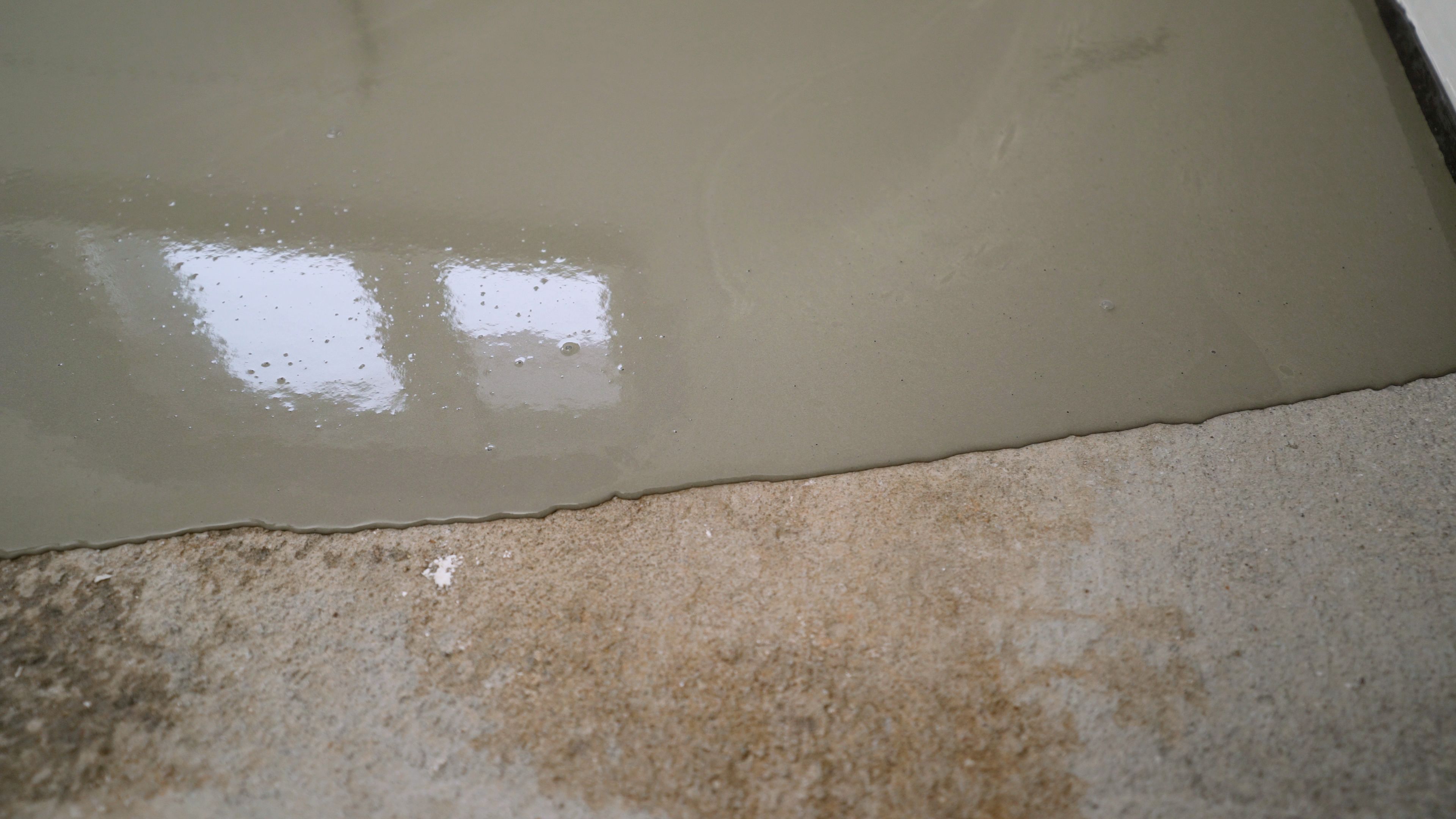
Discovering the right repair method can save you from repeated fixes and future headaches. Let’s explore some effective techniques.
Epoxy Injection for Structural Stability
Epoxy injection fills cracks from within, providing a strong bond that restores structural integrity. It’s ideal for dealing with structural crack repair in walls and floors. To begin, clean the crack thoroughly. Dirt and debris can hinder the process. Next, inject the epoxy starting from the deepest point, working outward. This approach ensures complete filling and bonding.
An example: A contractor once tackled a basement wall crack that let in water. By using epoxy injection, they sealed it permanently, preventing future leaks. When you address the root of the issue, you prevent future damage and maintain the health of your structure. For a step-by-step video on epoxy injection, watch this tutorial.
Polyurea Joint Fillers for Flexibility
Polyurea joint fillers stand out for their flexibility and quick curing time. They’re perfect for concrete joint repair in areas experiencing frequent movement, like garage floors. Start by preparing the joint, ensuring it’s dust-free. Then, apply the polyurea, which sets in minutes, allowing you to return to normal use fast.
Consider a busy industrial floor repair scenario. A factory floor with heavy machinery constantly moving was repaired using polyurea to absorb the stress and prevent cracks. When you choose polyurea, you get a flexible solution that stands up to wear and tear, keeping surfaces intact.
Moisture Vapor Barrier Epoxies
Moisture vapor barrier epoxies protect concrete from water damage. They create a seal that blocks moisture, a common cause of flooring issues. Apply this epoxy on clean, dry concrete for best results. This method is especially useful in basements prone to dampness.
Picture a homeowner struggling with a damp basement floor. By using a moisture vapor barrier epoxy, they created a dry, safe space for storage. Addressing moisture problems before they escalate saves time and preserves your floors. For more on moisture management, visit this article on concrete repair techniques.
Comprehensive Surface Preparation Methods
Preparation is key in achieving a flawless finish. Proper surface prep ensures your repair lasts.
Crack Chasing and Diamond Grinding
Crack chasing involves following the crack line and opening it up for repair. Use a diamond blade for precise cuts. After that, diamond grinding smooths the surface, removing imperfections. This prep work sets the stage for effective repairs.
Imagine a DIY enthusiast ready to tackle a garage floor crack repair. They learned that chasing the crack and grinding the surface led to a more efficient repair, preventing future cracks. Proper prep makes the difference between a quick fix and a lasting solution.
Effective Use of Bonding Primers
Bonding primers enhance adhesion between the concrete and repair material. Apply a thin layer over the prepared surface to promote a strong bond. This step is crucial before applying any repair material.
A contractor working on a concrete resurfacing project found that using bonding primers ensured the new layer adhered perfectly, preventing peeling. When you prep with primers, you ensure the longevity of your repair materials.
Professional-Grade Repair Solutions
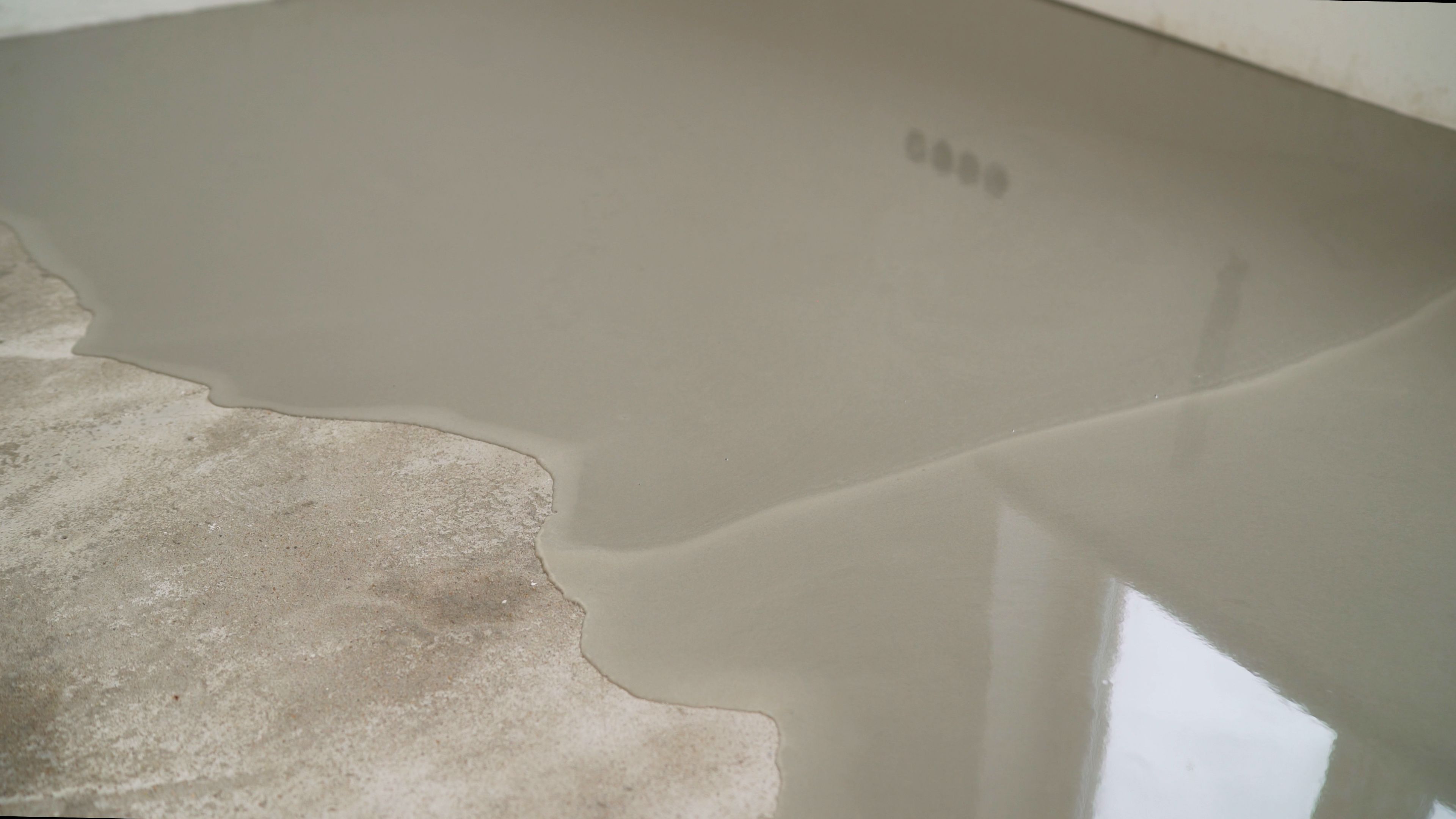
Using professional-grade materials elevates your repair, providing durability and peace of mind.
Epoxy Repair Mortars for Spalling
Epoxy repair mortars tackle spalling, where concrete flakes or chips. They’re designed for high-stress areas. Mix the mortar and apply it over the affected area, smoothing it to match the surrounding surface.
In an industrial floor repair scenario, damaged loading docks were restored with epoxy mortar, ensuring a smooth, durable surface. Choosing the right repair material not only fixes the problem but also reinforces the entire area.
Self-Leveling Epoxy for Seamless Finishes
Self-leveling epoxy creates a smooth, seamless finish. It’s perfect for uneven surfaces. Pour the epoxy, allowing it to flow freely and settle evenly.
A homeowner used self-leveling epoxy to transform their uneven basement floor, achieving a sleek, polished look. For those wanting a DIY crack repair kit, this epoxy is user-friendly and effective. Crafting a flawless surface has never been this straightforward.
Polyaspartic Topcoats for Durability
Polyaspartic topcoats offer superior protection against wear and chemical spills. They’re the final touch for a resilient floor. Apply with a roller for a uniform finish.
A busy warehouse opted for polyaspartic topcoats due to their fast curing and long-lasting protection. When you choose these topcoats, you invest in a durable surface that stands up to daily challenges.
In conclusion, choosing the right repair method and product is essential for lasting results. Are you ready to transform your space with BC Epoxy Depot’s professional-grade solutions? Whether you’re a contractor or a DIY enthusiast, our products ensure exceptional outcomes.